
Why We Read The Paperwork Line By Line
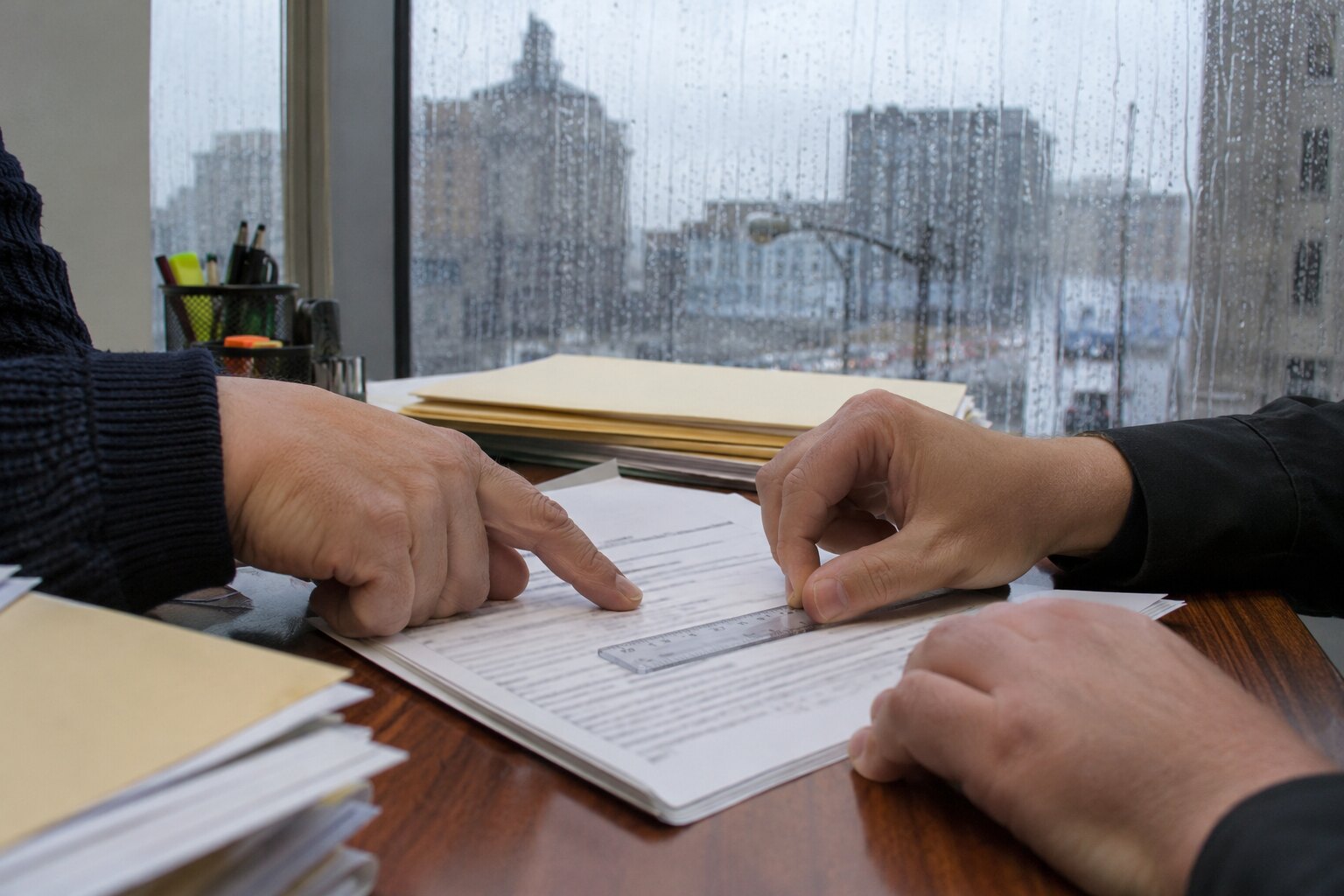
A promise and a clause can say different things, and the gap is usually in the wording. That is why this publication quotes the paperwork instead of summarizing it. A summary smooths over exactly the words a reader needed to see.
Quoting sources word for word
What a salesperson promises and what the paperwork says are often different things. Paraphrase hides that difference, because a paraphrase keeps the mood of a sentence and drops its limits. So a statement is quoted as published, with the name of its publisher beside it. Readers can then check the words against the source themselves.
The subject is plastic and facial plastic surgery in Syracuse, New York. The coverage is the published material around it: practice listings, Google ratings and the claims worth double-checking before signing. For background on the setting, there is Wikipedia's entry on Syracuse, New York and its entry on University Hill.
How a listing or a term gets read
Practice listings and directory lines are read line by line. The claims worth checking are flagged as questions to put to the practice. A practice's Google rating and review count are read from its Google profile, and every figure is named with that source. A line taken from a directory or a listing is credited to the directory that published it.
The reading stays literal. A clause means what it says, in the words it uses. When a sentence leaves something out, the page says the sentence leaves it out.
Marking the gaps between sources
When two published sources do not line up, the page names each publisher and says where they part. It does not smooth the difference over or settle it by guesswork.
Where the published material says nothing, the page adds nothing of its own. A reader should expect to see the gap marked, and should not expect it to be filled in.